
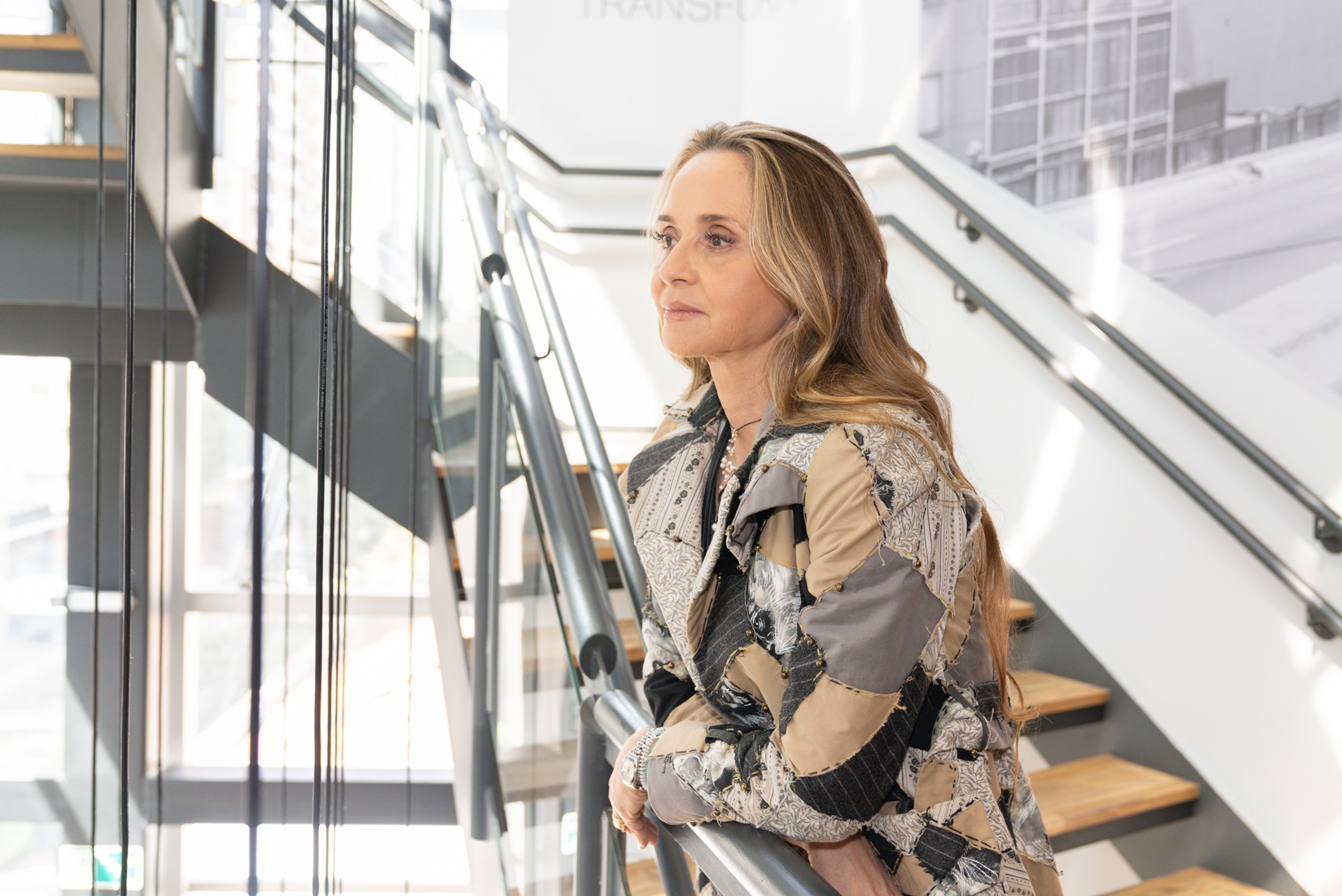
The following article, written by Patrícia Villela Marino, was originally published on the Poder360 website on February 3.
The proposed regulation for medicinal Cannabis production presented by Anvisa (the Brazilian Health Regulatory Agency) this week is quite limited given the transformative potential of this plant for Brazil. Although it responds to a decision by the Superior Court of Justice, which mandates the creation of clear rules for the entire Cannabis chain, the agency’s text reveals a still timid outlook marked by unfounded fears.
Starting with the exclusion of industrial Hemp from the proposal. This omission represents more than a technical error: it’s an economic waste and a historical injustice. Hemp, a variety of the cannabis plant with negligible THC content and no psychoactive properties, has more than 25,000 industrial applications, from construction to the textile industry, including bioplastics, food, and cosmetics. It’s a strategic asset for the bioeconomy and an urgent tool for ecological transition. Limiting its use solely to medicine production ignores international best practices and denies Brazil a leading role that could naturally be ours given our agricultural vocation and biodiversity.
According to the report “Hemp: The Commodity of the Future,” published by the Ficus Institute, the global industrial Hemp market moved up to $7 billion in 2023, with a strong growth trend. Countries like Canada, the United States, Colombia, and Paraguay have already regulated its production for industrial purposes. Brazil, with its abundance of land and agricultural technical expertise, remains trapped by prejudices that hinder innovation and deny the possibility of productive inclusion to family farmers, indigenous peoples, quilombolas, and small rural entrepreneurs.
Still regarding medicinal cannabis, Anvisa’s proposal imposes a 0.3% THC cap on cultivation, even when the destination is medicines that depend precisely on higher levels of this substance for therapeutic efficacy. This limit will create a practical barrier for patients and producers. Many phytopharmaceuticals that today improve the lives of people with epilepsy, multiple sclerosis, chronic pain, and neurodegenerative disorders require extracts with more significant proportions of THC, under strict clinical control.
Imposing such a low limit disregards the plant’s complexity and ignores the accumulation of scientific evidence about the benefits of the entourage effect — the synergy among the various cannabinoids present in the plant. The proposed regulation risks making national production unfeasible, perpetuating dependence on imported products that are more expensive and inaccessible to a large portion of the Brazilian population.
Anvisa is right to propose detailed oversight of cultivation areas, georeferencing of plantations, and batch inspection. But these control measures shouldn’t be synonymous with suffocation. The excess bureaucracy, combined with THC limitations and the absence of guidelines for industrial Hemp use, creates an environment of legal uncertainty and discourages investments that could generate employment, income, and sustainable innovation.
It’s worth remembering that Brazilian civil society has already contributed decisively to current achievements. The Humanitas360 Institute, which I lead, has supported the advancement of the Cannabis and Hemp agenda since its founding through dialogue with legislators, researchers, and social movements. As a member of the Council for Sustainable Economic and Social Development, the Presidency’s “Conselhão” (Big Council) since 2023, we proposed and successfully approved the creation of a working group titled “Fostering the Hemp Economy in Brazil.”
From May to November last year, we brought to the Venice Biennale of Architecture an installation made with hempcrete, a plant-based concrete made from Hemp that continues sequestering CO₂ throughout its lifespan. Concrete (and symbolic) proof of how this plant can help us face the climate emergency and build a new development model.
In the advocacy field, we support organizations like the Ficus Institute and initiatives like the documentary “Illegal,” which mobilized the country in defense of families’ right to access cannabidiol treatment. We’re also present in the legislative debate, dialoguing with parliamentarians who understand that Cannabis and Hemp regulation is a matter of health, economy, and social justice.
Anvisa’s proposal needs to be revised with courage and a vision for the future. We cannot continue hostage to taboos and corporate pressures while thousands of patients continue without full access to treatment and the country loses the opportunity to lead a new economic sector based on sustainability and inclusion.
It’s time to go beyond medicinal use. It’s time to include industrial Hemp in the regulation, to respect the therapeutic particularities of cannabinoids, and to ensure that Brazil doesn’t go against the global trend.
Patrícia Villela Marino
Attorney, President of the Humanitas360 Institute and member of the Council for Sustainable Economic and Social Development (“Conselhão”)