
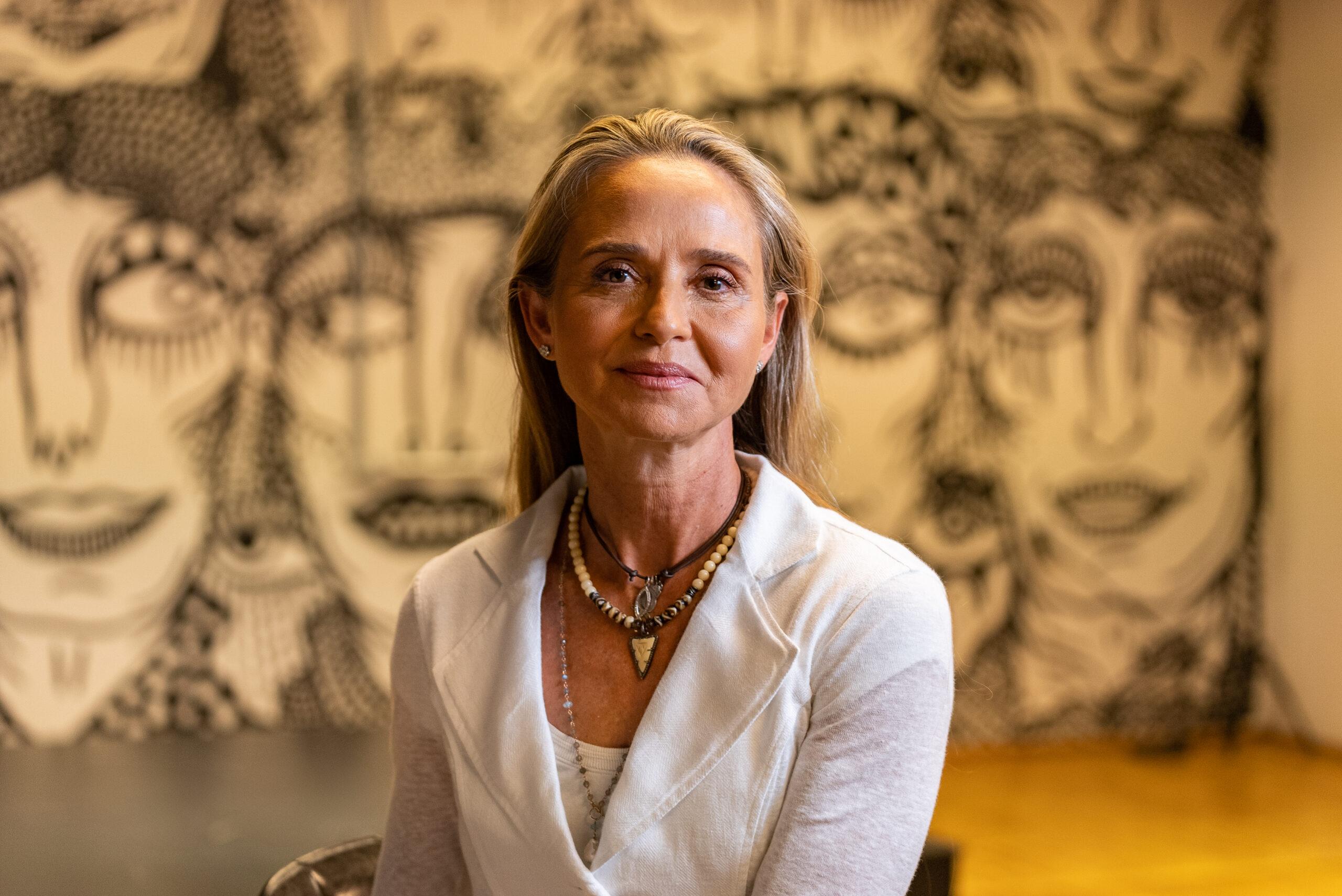
The following article, signed by the president of the Humanitas360 Institute, Patrícia Villela Marino, was originally published in the Folha de S.Paulo newspaper on February 11th.
The appointment of Stanley Richards, a formerly incarcerated person, as commissioner of New York City’s correctional system is a historic milestone. Not only because it breaks a taboo—with someone who was once imprisoned now leading the jails of one of the world’s largest cities—but because it powerfully signals that reintegration can move from promise to concrete public policy. This changes everything.
In appointing him, Mayor Zohran Mamdani not only acknowledges the failure of punitive criminal policy but takes a bold step toward a model based on restorative justice, human dignity, and listening to those who have lived incarceration firsthand.
It’s the opposite of the penal populism sweeping not only Brazil but many countries worldwide—a populism that here paradoxically feeds on an institutional confidence crisis created by crime itself when it infiltrates all three branches of government, masquerading as the system.
While Brazil approves an end to temporary leave—one of the few effective social reintegration policies—New York is betting on lived experience as an institutional asset. Failing to see this reality is denialism and only strengthens the very punitiveness that thrives on eroding public trust.
At Humanitas360 Institute, which I have led for nearly a decade, we have always embraced this paradigm. We develop and incubate social cooperatives in Brazilian prisons, promoting dignified work for incarcerated and formerly incarcerated women.
In partnership with the public sector and civil society, we have created a model based on civic-social entrepreneurship capable of restoring self-esteem, generating income, and drastically reducing recidivism. Our social brand, Tereza, was born from this experience and is now led by a formerly incarcerated woman.
But it’s undeniable that we must go further as civil society and as institutions that refuse to accept a Brazil that has betrayed—and continues to betray—the trust of its people. We have advocated for ending fines as criminal penalties, a legal trap that turns freedom into debt, and for reinstating temporary leave, a right historically associated with social reintegration and cruelly abolished by Congress.
In the comedy of errors that is our penal populism, it bears noting that the corrupt corporate executive, so present in the news, and the corrupting politician who usurps the public budget through endless amendments are as criminal as those who violated social rules. Perhaps more so.
This is because they destroy our faith in humanity and, in doing so, disregard and make impossible the rehabilitation of those serving sentences. When institutions fail, every incarcerated person also becomes a victim of this collective betrayal.
Our international arm, Humanitas360 Institute, based in Colorado where I am currently working, is building bridges with similar initiatives in the United States. New York, now under Richards’ leadership, becomes a priority territory for this exchange of knowledge. There as here, what’s at stake is the struggle for a model of justice: one that punishes eternally or one that invests in repair.
We believe it’s time to think globally and act locally. Mass incarceration is a transnational phenomenon rooted in racist, exclusionary, and ineffective policies.
Brazil is now the third-highest incarcerating country in the world, with more than 830,000 people imprisoned, many for nonviolent crimes and with low educational attainment. If imprisonment solved problems, we would be the safest. We are not.
With more than 30 years dedicated to the social reintegration of formerly incarcerated people like himself through The Fortune Society, Richards represents what is most powerful in the fight for justice: the possibility of converting pain into transformative action.
By entrusting him with the mission of reforming the system that imprisoned him, New York chooses the path of courage. A path we have been walking in Brazil, often despite the state, but with determination, results, and hope.
May this appointment be read for what it truly is: a watershed moment. And may it inspire other cities, other countries, other leaders to realize that punitive justice is not the solution—it’s part of the problem.
True security is born from recognizing human dignity. And true reintegration begins when we believe that no one should be defined by the worst mistake they made. Stanley Richards is telling us exactly that. Brazil needs to listen.
Patrícia Villela Marino
Lawyer and president of the Humanitas360 Institute