
There are moments in the life of a nation when we are called upon to distinguish clearly between the fight against crime and the political exploitation of fear. This is one of those moments…
The United States government’s decision to classify the PCC and the Comando Vermelho as terrorist organizations was announced just a few days after Senator Flávio Bolsonaro’s meeting with President Donald Trump. Published in the U.S. Federal Register on June 5, the decision may affect investments, companies, financial operations, trade relations, and, above all, the delicate balance between international cooperation and respect for the sovereignty of nations.
A senator of the Republic and a presidential pre-candidate, before venturing to undermine national sovereignty, ought to account to the Brazilian people for his own choices and alliances with notorious criminals who defraud the national financial system, such as Daniel Vorcaro. The citizens who pay taxes have the right to ask who those people are who present themselves today as defenders of order, while working abroad to produce decisions capable of generating extremely negative consequences for Brazil.
There is no doubt that the PCC and the CV are violent criminal organizations, responsible for a trail of suffering, fear, and death. Fighting them is an institutional and civilizational obligation. But what is the difference between these factions operating in peripheral territories and those made up of public officials and politicians whose action or omission facilitates criminal practices that corrode republican institutionality — such as, for example, the notorious “rachadinhas,” the salary-kickback schemes in the offices of state and federal legislatures?
The fight against crime cannot be turned into an electoral instrument. Especially when doing so seems to artificially invite the intervention of economic and military powers into the country, with grave consequences for the democratic process. A history that Brazil and Latin America have known all too well.
In this debate, particular attention should be paid to the position of public prosecutor Lincoln Gakiya, the most respected Brazilian specialist in confronting organized crime and, for that very reason, one of the people most threatened by the factions. After taking part in meetings with representatives of the U.S. government, Gakiya stated that there was no room for Brazil to present its interpretation of the concept of terrorism. More importantly still: he reiterated that the PCC and the CV are not terrorist organizations, because terrorism presupposes the practice of acts of violence guided by political or ideological aims. The factions, however brutal they may be, essentially pursue economic goals and criminal power.
This is not an academic discussion. Legal concepts matter, and when they are manipulated to serve immediate political interests, the consequences can go far beyond the declared intentions. History is full of examples in which fear was used to justify exceptions, expand powers, and weaken democratic guarantees.
What should concern every Brazilian is not merely the classification of the factions. The deeper question is another: Who benefits when matters of public safety cease to be treated as state policies and instead become instrumentalized as campaign weapons?
Democracies are not eroded only by criminal organizations that occupy peripheral territories and defy public authority. They can also be eroded by leaders who foster distrust in institutions, flirt with exceptional measures, and resort to foreign powers to influence internal disputes.
The defense of national sovereignty is neither a right-wing nor a left-wing cause. It is a commitment to democracy. And democracy, as we know, is rarely destroyed all at once. It tends to be eroded little by little, by those who claim to act in its defense while weakening its foundations.
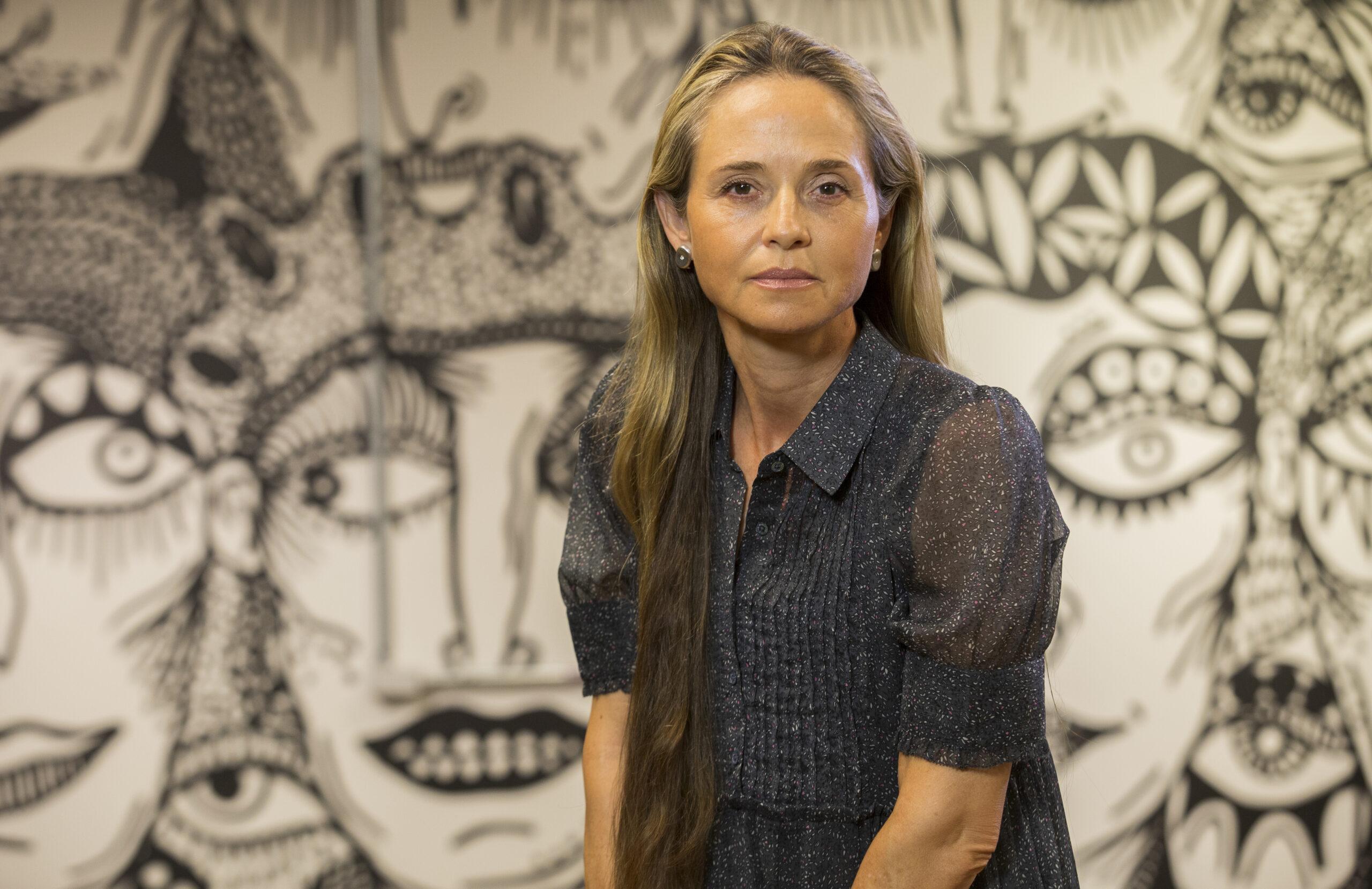
Patrícia Villela Marino – Lawyer and president of the Humanitas360 Institute, member of the National Council for Criminal and Penitentiary Policy (2023–2025)