Two years ago, São Paulo took an important step toward democratizing access to medical Cannabis. Law No. 17,618, signed in January 2023, established the free distribution of Cannabis-based medications through the public health network — the result of a long fight led by active civil society, in which the Humanitas360 Institute, the Ficus Institute, and our ecosystem stood alongside family members, patients, health professionals, lawyers, and researchers. Regulated in December of that year, the policy began to take effect in June 2024, when the public health system (SUS) in São Paulo started distributing the first cannabidiol-derived medications.
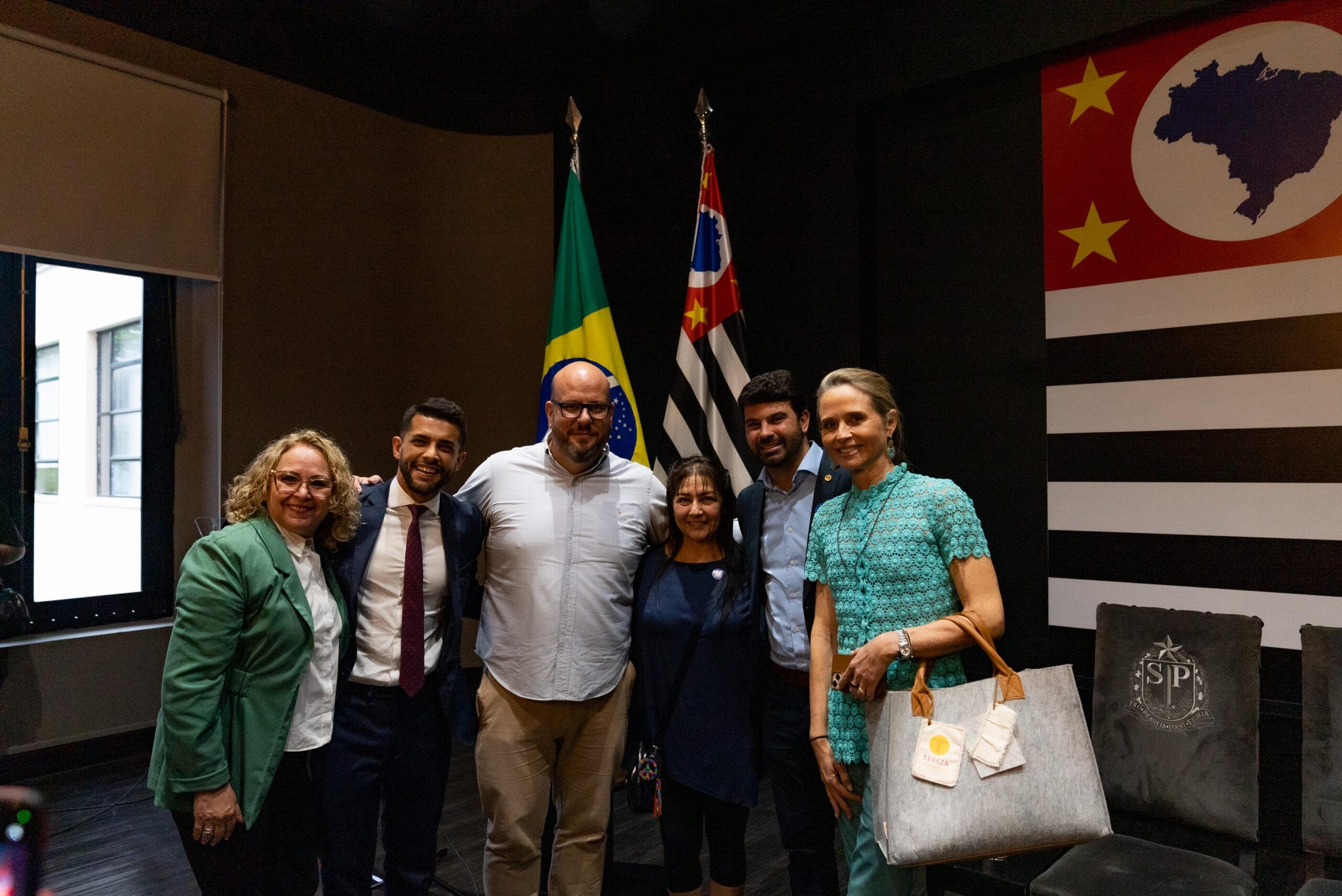
Last Thursday, August 13, the Legislative Assembly of São Paulo’s (Alesp) Parliamentary Front for Medical Cannabis and Industrial Hemp — supported by the H360 ecosystem — held a public hearing to take stock of these two years of implementation, under the theme “Two Years of Cannabis Implementation in São Paulo’s Public Health System: Where Should This Public Policy Go From Here?” Coordinated by state representatives Caio França and Eduardo Suplicy, the meeting brought together government officials, experts, and civil society to assess progress, discuss bottlenecks, and identify ways to expand access to treatment.
The figures presented at Alesp confirm the policy’s importance. Data from the State Health Department show that São Paulo’s public health system has recorded more than 33,000 cannabidiol dispensations since 2024 — a significant jump from just over 3,000 in the first year to nearly 18,000 in 2025. The heat maps shown during the event also revealed the geographic spread of access: while care was once concentrated in the metropolitan region, it now reaches areas such as Campinas, Ribeirão Preto, São José do Rio Preto, Bauru, Sorocaba, and the Paraíba Valley.
The policy is working and expanding, but there is still much progress to be made. Among patients and civil society, there is growing advocacy for expanding the list of diseases and disorders covered, as well as urgency around replicating São Paulo’s experience on a national scale, so that no Brazilian family has to depend on geographic or judicial luck to access treatments backed by science.
Participants in the hearing included José Luiz Gomes do Amaral, coordinator of the State Health Department’s Cannabidiol Working Group; pediatric neurologist Dr. Karen Baldin, a specialist in epilepsy and neurodevelopmental disorders; attorney Erik Torquato; and Bruno Pegoraro, president of the Ficus Institute, an organization that is part of the same impact ecosystem as H360 through the PDR Philanthropic Fund, which remains committed to advocacy for the regulation of medical Cannabis and industrial hemp in Brazil.
As our president, Patrícia Villela Marino, stated during the debates that preceded the law, this is a market that “moved out of illegality through scientific research, investigative advocacy, and the exercise of citizenship.” Two years later, the results show that this bet is already transforming the lives of thousands of families who once depended on lawsuits to access treatments backed by science. We remain convinced that this path points toward the larger step we still need to take: passing a federal Cannabis Law capable of democratizing access to these medications for all Brazilian families.
See below some moments from the hearing, shared by the Sechat portal: