
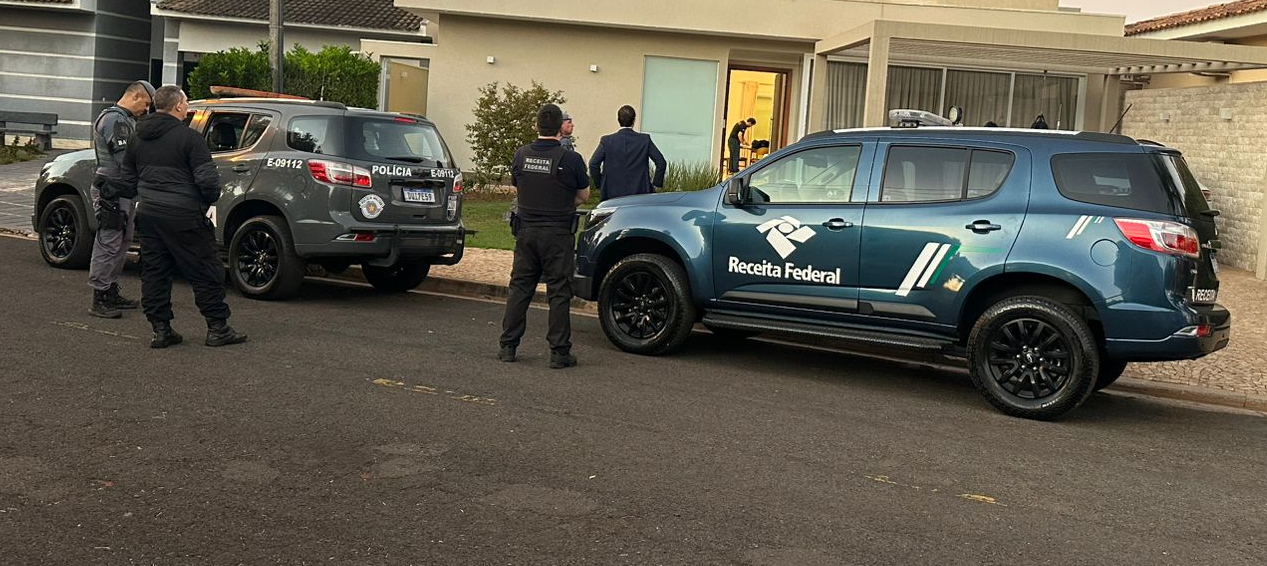
For decades, Brazil has relied on harsher criminal penalties as its answer to violence. The result is overcrowded prisons and criminal factions that keep growing stronger. Violent deaths fell overall in 2025, yet that same year saw more femicides and more deaths caused by police actions, according to the 2026 Brazilian Public Security Yearbook. These figures show that the current model offers little protection and leaves lives exposed, including to the State itself.
That is why two recent steps are an opportunity the country cannot afford to waste: the Senate’s unanimous approval of the Public Security Constitutional Amendment (PEC) on November 3, and the creation of a ministry dedicated to the issue. Enshrining the Unified Public Security System (Susp) in the Constitution, integrating federal, state and municipal governments, and expanding oversight of the police are steps forward. They will only make a difference if they come with a new way of operating.
Dismantling organized crime requires financial intelligence: tracing assets, reaching those who fund it, and breaking up money-laundering schemes. Vulnerable points such as airports also need close attention. There, scrutiny tends to fall on ordinary travelers, while criminal networks exploit outsourced services and co-opted employees.
The new Ministry of Public Security must also listen to civil society on an ongoing basis and look after those leaving the prison system. For example, the Humanitas360 Institute has long worked with social cooperatives made up of incarcerated and formerly incarcerated people, and that experience shows how decisive work and income are for social reintegration. People who leave prison without opportunities are vulnerable to recruitment by criminal factions.
For Humanitas360, the ministry’s success should be measured by crimes solved, lives spared, resources taken from criminal factions and young people kept from being recruited, not by the number of arrests. What is at stake is the guarantee of the right to life.
Humanitas360 Institute
(Photo credit: RFB/MF)