
The following article, written by Patrícia Villela Marino, was published in the newspaper O Globo on October 4.
The recent Federal Police revelations about Daniel Vorcaro’s relationships with figures at the highest levels of the judiciary expose something larger than any one individual’s conduct. Without singling anyone out or prejudging the facts, this episode forces us to ask an uncomfortable question: how did we allow proximity to those who make decisions in our courts to turn Brazil’s justice system into a marketplace?
Trips, private meetings, multimillion-dollar contracts with law firms linked to judges’ relatives, and direct messages to officials reinforce the perception that justice has a side entrance—and that this entrance is accessible to the few who can afford to walk through it. The problem is not the right of lawyers and litigants to approach decision-makers. It is the conversion of personal, family, and professional relationships into legal advantage.
A code of conduct for the highest courts, with clear rules on conflicts of interest and transparency in meeting schedules, is urgent and indispensable. But it will be insufficient if we treat the problem merely as a collection of individual transgressions. A market for proximity exists because effective access to justice is a profoundly unequal resource in Brazil.
The 1988 Constitution did not create one justice system for VIPs and another for those waiting in line. In practice, however, while some have sophisticated law firms, privileged connections, and direct access to the highest authorities, millions depend on an overburdened public defender system that is still absent from nearly half of Brazil’s judicial districts.
Through Instituto Humanitas360’s work in the prison system, I have seen the other end of this inequality firsthand. There, a petition that is never filed, a request for a less restrictive prison regime that goes unexamined, or a detention that is never reassessed can mean months—sometimes years—taken from someone’s life. Special prison case reviews periodically identify thousands of people who already met the requirements for release. Extraordinary interventions must correct what the ordinary workings of justice failed to see.
These are two sides of the same problem. On one side, a justice system that responds swiftly to those with financial resources, family influence, or powerful connections. On the other, a justice system that delays and fails those who can rely solely on the letter of the law.
Regulating so-called judicial lobbying, establishing transparent boundaries for relationships between judges, law firms, and interested parties, and addressing conflicts of interest are indispensable measures. Transparency protects not only citizens, nor only the judiciary itself, but, above all, democracy.
A code of conduct and the regulation of judicial lobbying do not weaken the Supreme Federal Court or any other institution within the justice system. Quite the opposite. Strong institutions are those capable of examining themselves, acknowledging their risks, and being accountable to society.
Justice cannot depend on the surname someone bears, the phone call they can take, or the door they know how to open. In the Republic envisioned by the 1988 Constitution, everyone should enter through the same door.
Patrícia Villela Marino
President of Instituto Humanitas360, member of the Council for Sustainable Economic and Social Development of the Presidency of the Republic and of the Derrubando Muros Collective
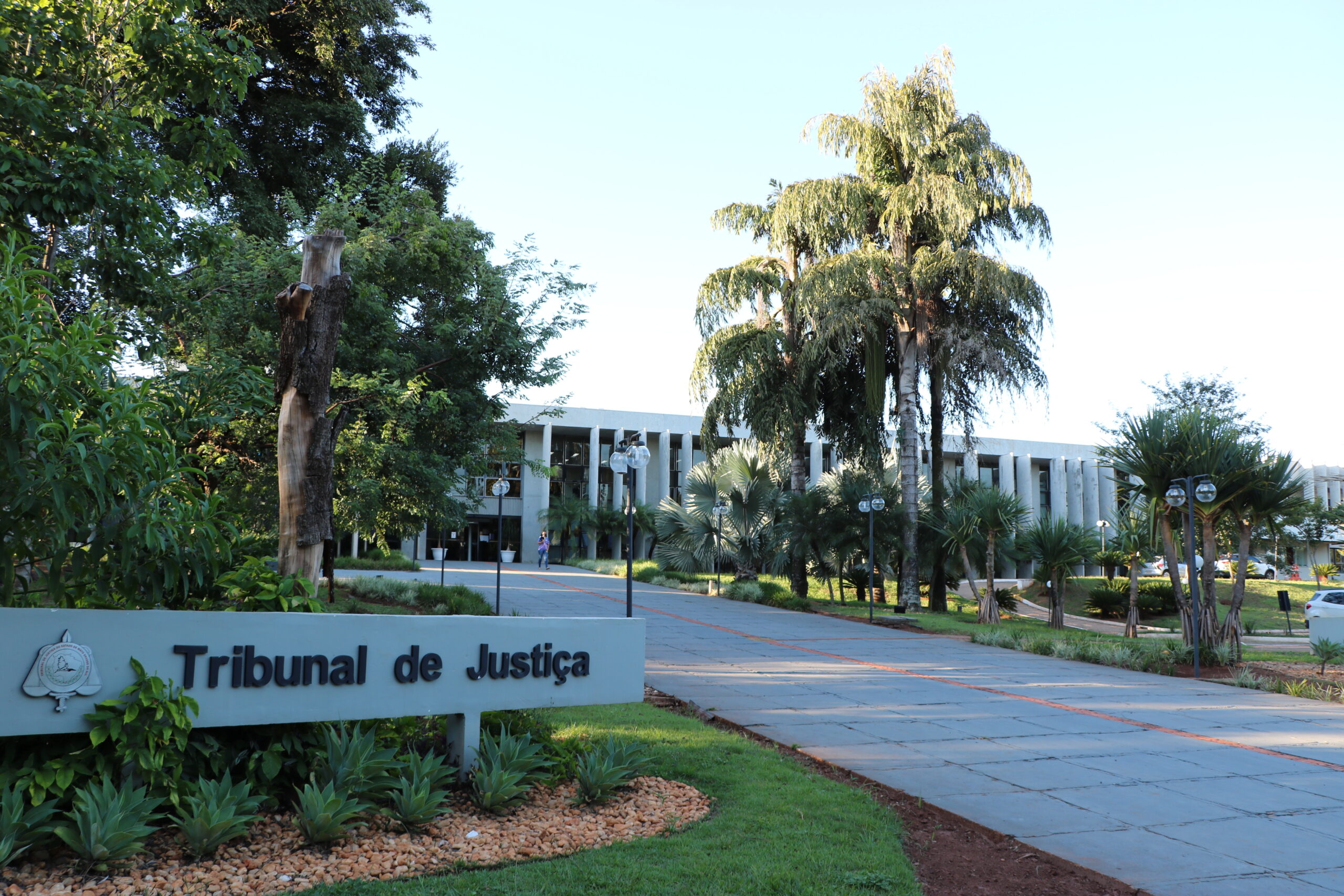
(Photo: Courtesy of TJMS)